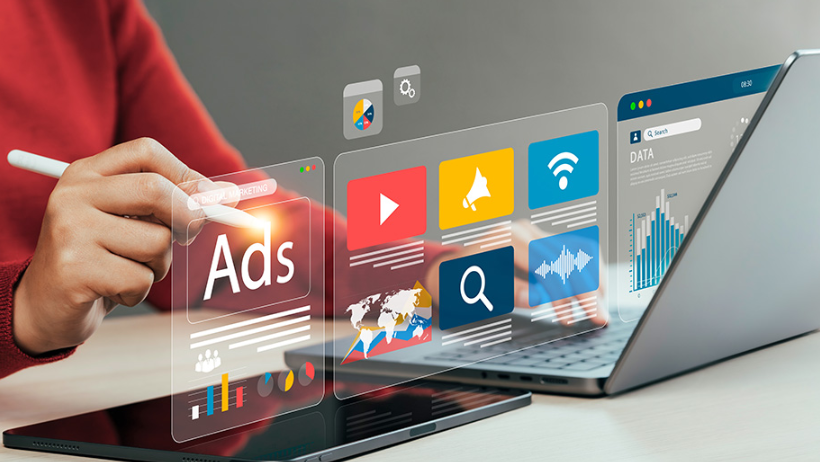
The integration of technology in digital marketing fundamentally alters how brands engage with consumers. Data analytics provides critical insights into consumer behavior, shaping targeted strategies. Meanwhile, artificial intelligence enhances personalization, creating tailored experiences. Social media platforms serve as amplifiers for brand messages, while automation tools ensure efficiency in marketing efforts. As these elements intertwine, they raise essential questions about the future of consumer connections and the evolving landscape of marketing strategies.
The Impact of Data Analytics on Marketing Strategies
As businesses increasingly rely on digital platforms, the impact of data analytics on marketing strategies has become profound.
By leveraging insights into consumer behavior, companies can deploy predictive modeling to anticipate trends and preferences.
This strategic approach not only enhances campaign effectiveness but also empowers brands to connect authentically with their audience, fostering a sense of freedom and choice in consumer engagement.
Harnessing Artificial Intelligence for Personalization
The integration of artificial intelligence (AI) into digital marketing represents a significant evolution in how brands personalize their outreach efforts.
Through AI-driven algorithms, companies can deliver personalized recommendations that resonate with individual preferences.
Additionally, AI chatbots enhance customer interactions, providing tailored responses in real-time.
This strategic use of technology empowers brands to foster deeper connections, enabling a more liberated and engaging consumer experience.
The Power of Social Media in Brand Engagement
How do brands effectively engage with their audiences in a crowded digital landscape?
By leveraging social media influencers and encouraging user-generated content, brands can foster authentic connections.
Influencers amplify brand messages, while user-generated content cultivates community and trust.
This dynamic interplay not only enhances brand visibility but also encourages meaningful dialogue, allowing brands to resonate deeply with consumers seeking genuine engagement amidst digital noise.
Automation Tools for Streamlining Marketing Efforts
Numerous brands are increasingly implementing automation tools to streamline their marketing efforts, recognizing the efficiency and consistency these technologies offer.
Email automation enables targeted communication, while workflow optimization enhances productivity and reduces manual tasks.
Conclusion
In conclusion, the integration of technology in digital marketing is akin to the adage “the pen is mightier than the sword”; it empowers brands to craft compelling narratives and engage consumers effectively. Data analytics, artificial intelligence, social media, and automation tools collectively transform marketing strategies, enabling businesses to connect deeply with their audience. As technology continues to evolve, it will undoubtedly shape the future of marketing, creating opportunities for innovation and enhanced consumer experiences.